Yoga Poses for Flexibility
Explore our comprehensive collection of yoga poses designed to enhance flexibility, mobility, and overall wellness. From beginner-friendly stretches to advanced deep-body work, find the right pose for your practice level.
Child's Pose
A restorative forward fold that gently stretches the hips, thighs, and lower back. Perfect for beginners and ideal for relaxation and stress relief during your practice.
Downward-Facing Dog
An inverted V-shape that lengthens the hamstrings, calves, and shoulders while building strength. A foundational pose that appears frequently in yoga sequences.
Forward Fold
A standing stretch that targets the entire posterior chain—hamstrings, calves, and lower back. Excellent for releasing tension and improving spinal flexibility.
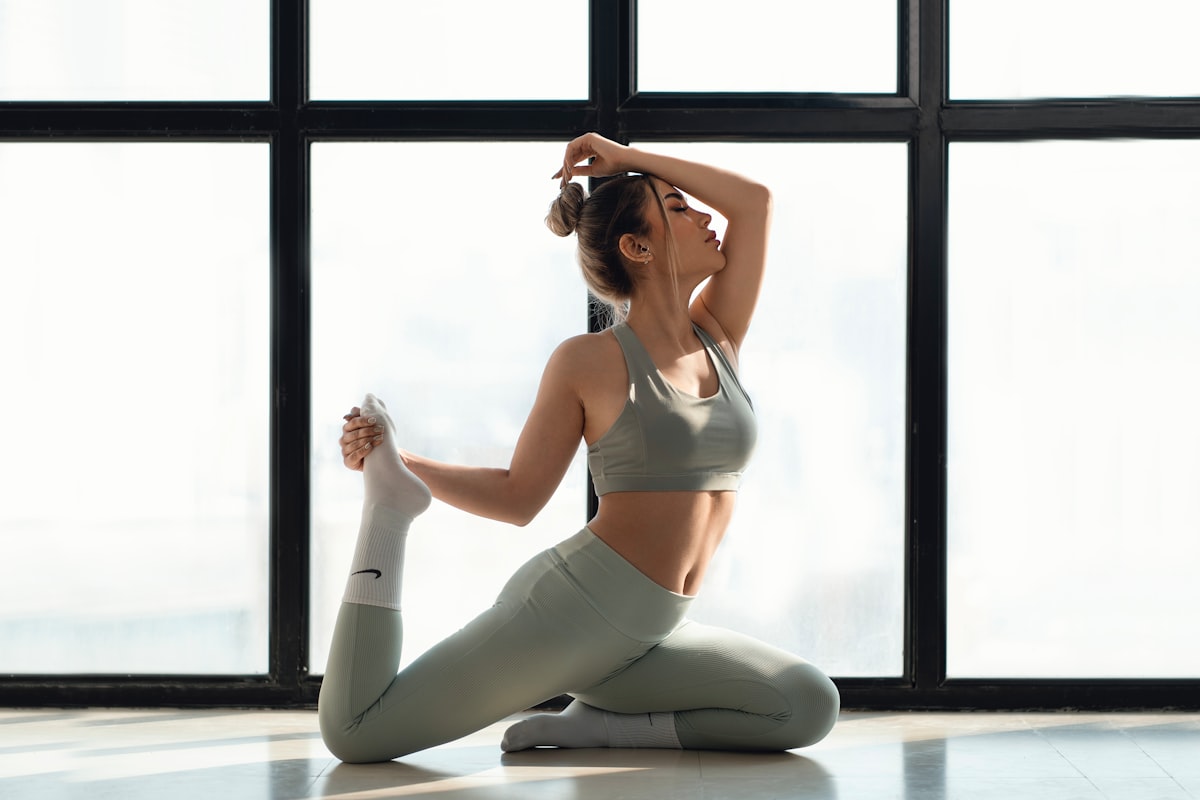
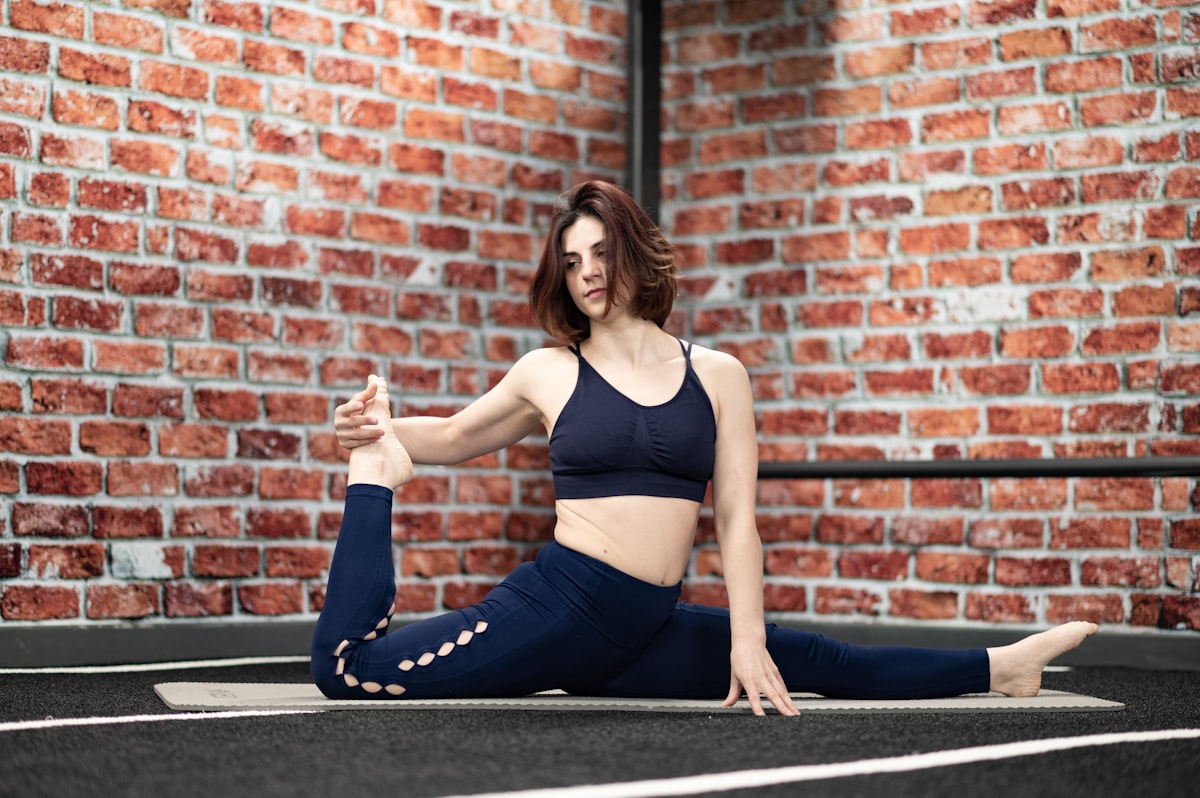
Pigeon Pose
A deep hip opener that releases tension from the glutes and external rotators. This pose is transformative for those with tight hips and improves mobility in daily movement.
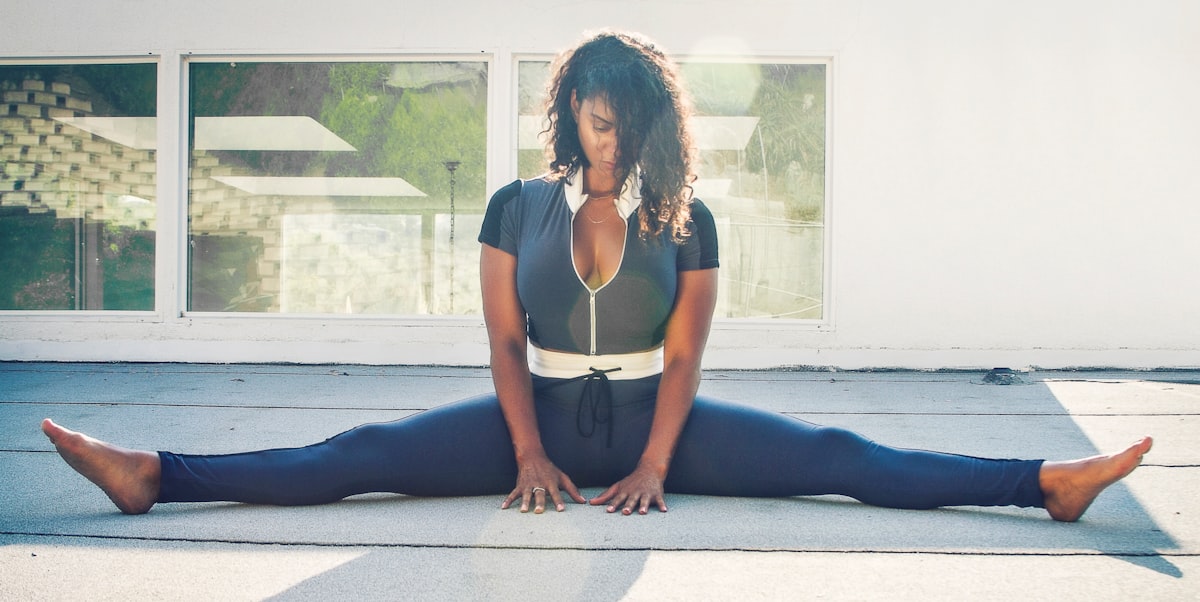
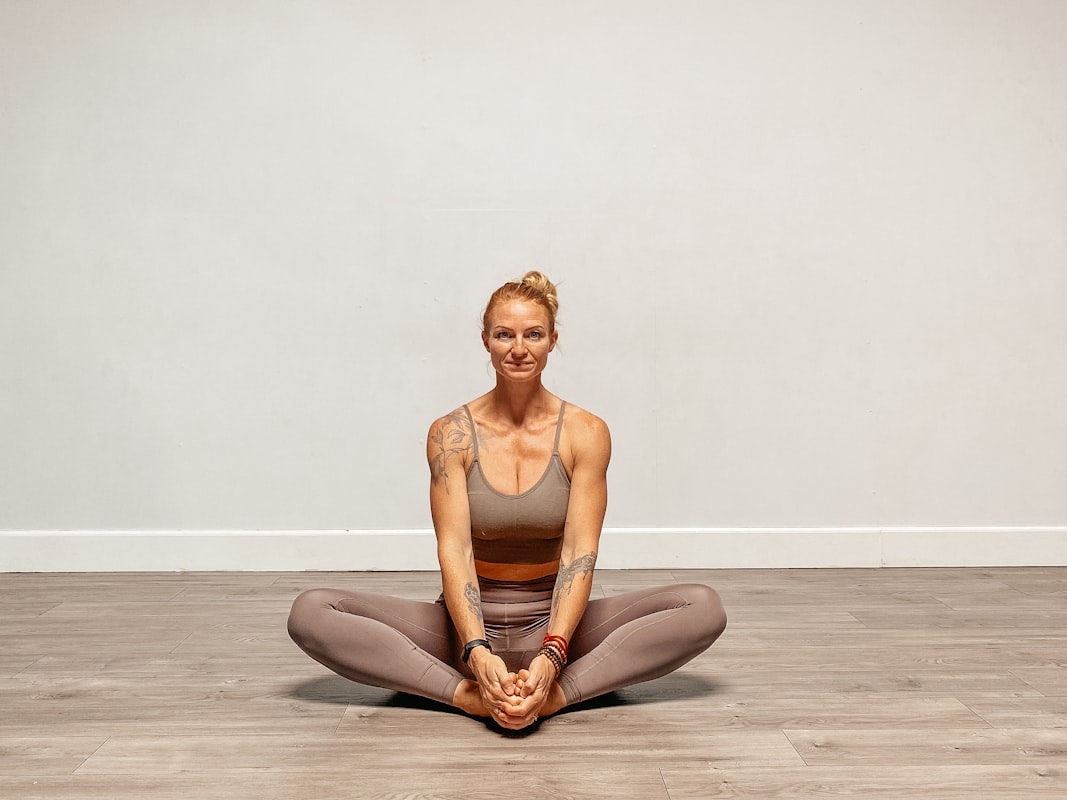
Butterfly Pose
A seated hip opener that targets the inner thighs and groin area. Accessible for all levels and excellent for improving flexibility in the hips and lower pelvis.
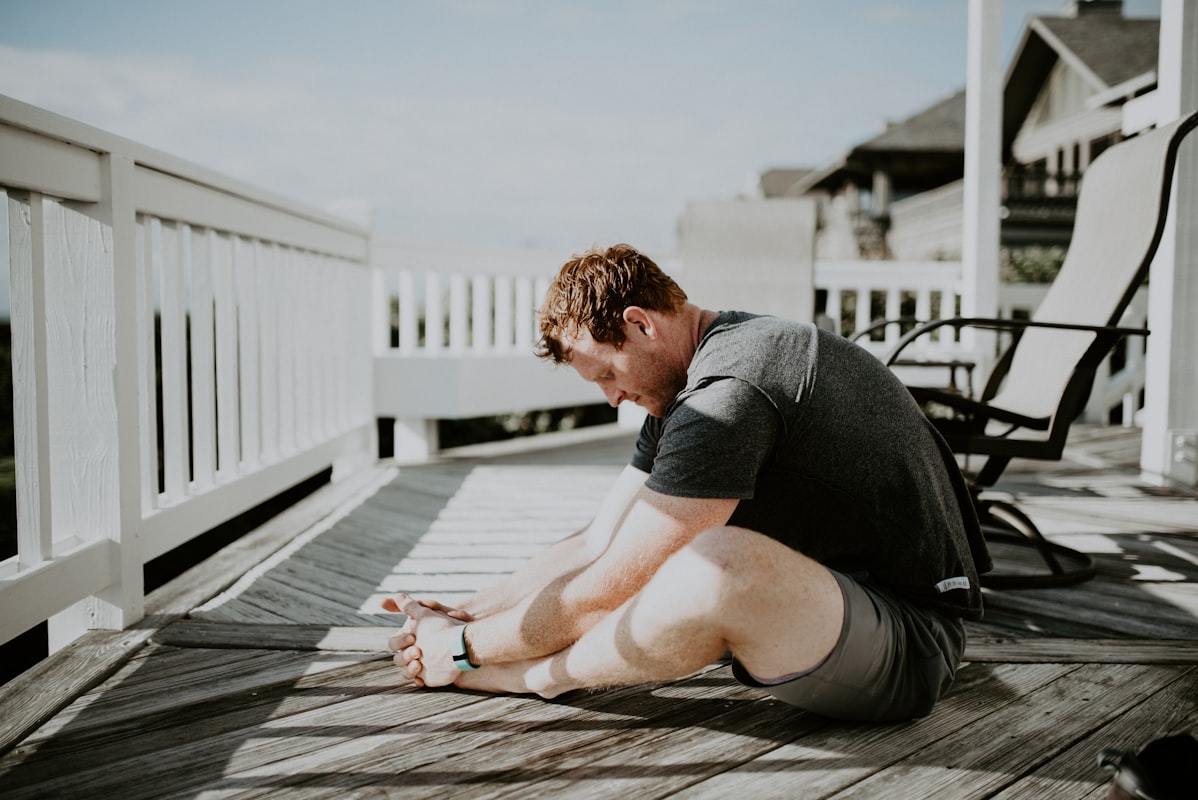
Warrior I
A powerful standing pose that opens the hip flexors and strengthens the legs. Essential for building stability and improving flexibility in the front hip area.
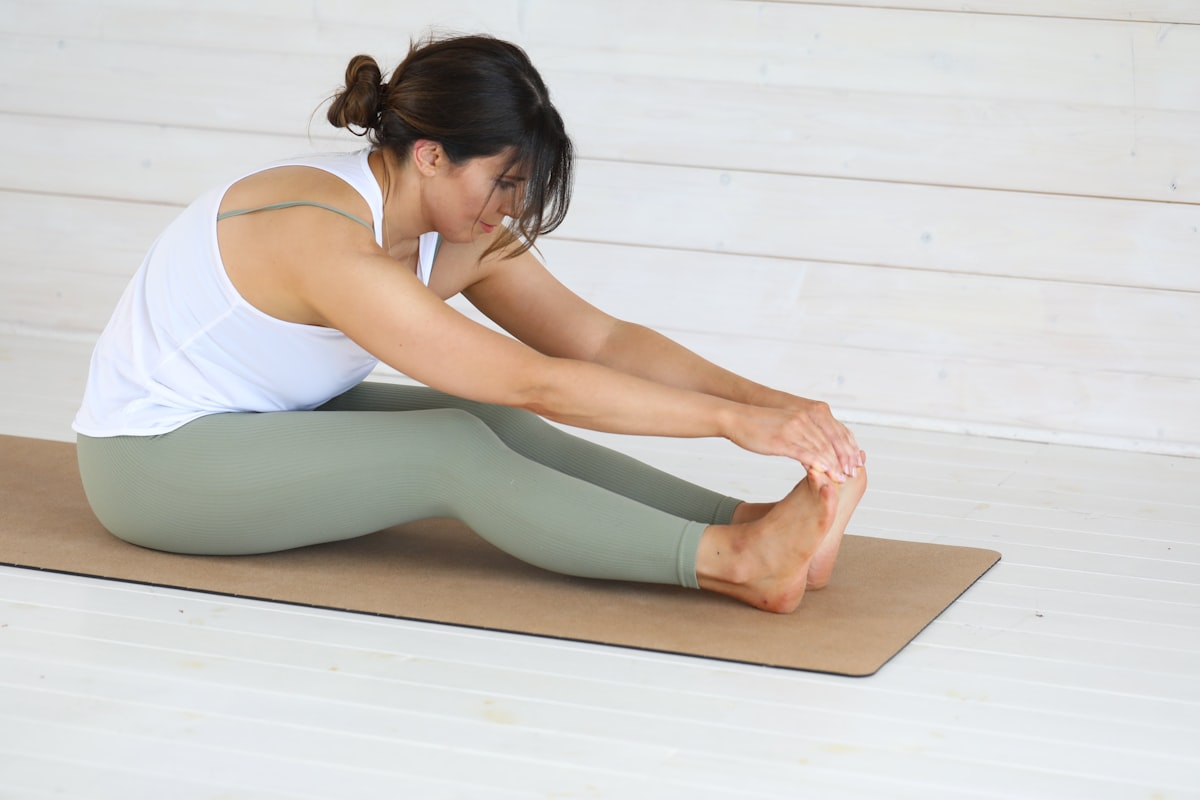
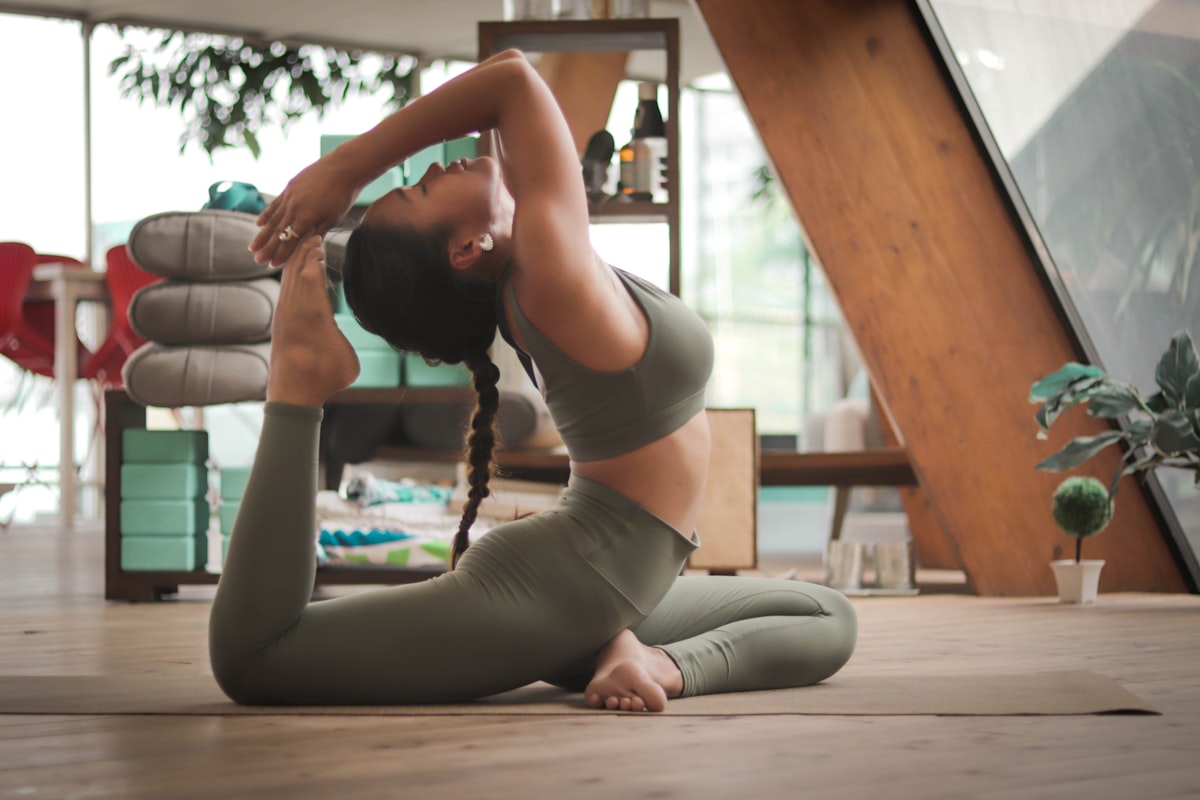
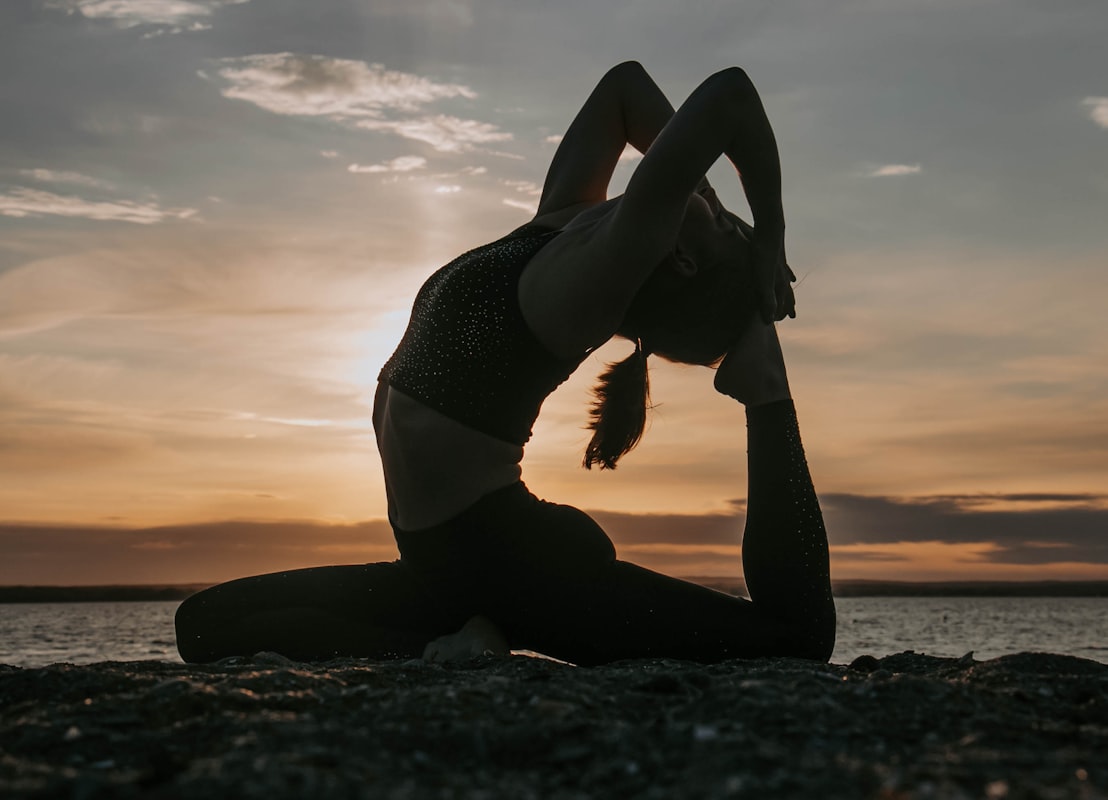
King Arthur's Pose
An advanced backbend and hip opener that requires significant flexibility in the psoas and quads. Ideal for experienced practitioners seeking deeper stretches and greater mobility.
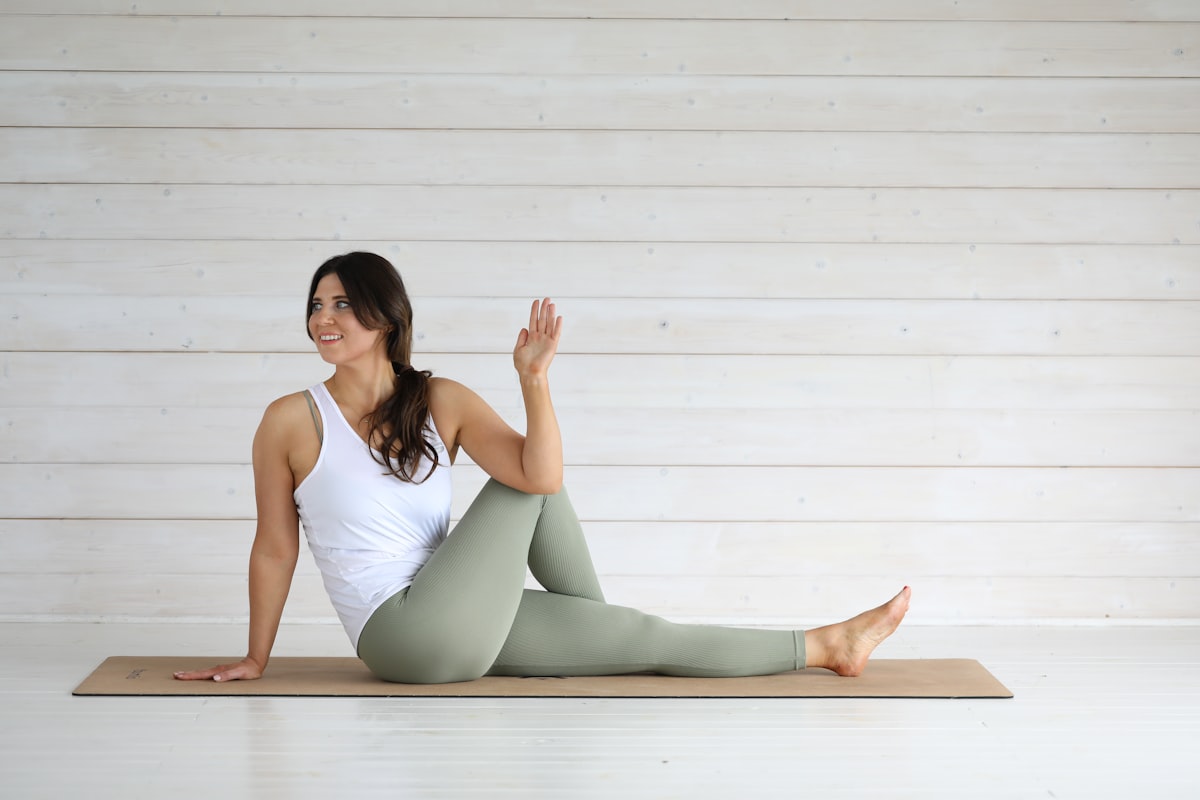
Scorpion Pose
An advanced inversion and backbend that stretches the entire front body and shoulders. Requires considerable strength and flexibility; suitable for advanced practitioners only.
The Benefits of Flexibility Training
Flexibility is a cornerstone of physical health and longevity. Regular yoga practice that focuses on flexibility can reduce muscle tension, improve your range of motion, and enhance athletic performance across all activities.
Beyond the physical benefits, flexibility work promotes mental clarity and emotional balance. As you stretch and open your body, you release stored tension and stress, creating space for greater peace and mindfulness in your daily life.
Increased Range of Motion
Improved flexibility allows you to move more freely and participate in activities with greater ease and comfort.
Pain Reduction
Regular stretching alleviates chronic tension and muscular pain, particularly in the neck, shoulders, and lower back.
Improved Circulation
Yoga poses enhance blood flow and oxygen delivery throughout your body, supporting overall health and vitality.
Enhanced Mental Clarity
Flexibility practice syncs breath with movement, promoting mindfulness and reducing stress and anxiety.
Common Questions About Flexibility
For optimal results, aim to practise flexibility exercises 4-5 times per week. Even 15-20 minutes daily is more beneficial than occasional longer sessions. Consistency matters more than duration; your muscles adapt and lengthen best when worked regularly but gently.
Absolutely. Flexibility is a trainable quality at every age. Whilst younger bodies may progress faster, research shows that consistent practice helps older adults regain lost mobility and prevent stiffness. Always modify poses to match your current ability and listen to your body.
Active stretching uses your own muscles to hold a position, whilst passive stretching relies on external support like a wall, strap, or partner to deepen the stretch. Both methods are valuable; active stretches build stability, while passive stretches promote deeper relaxation and lengthening.
Warm up first with light cardio, then perform dynamic stretches. After exercise, whilst your muscles are warm, is the best time for static (held) stretches. Stretching cold muscles can increase injury risk, so always prepare your body before deep flexibility work.
Mild muscle soreness 24-48 hours after new stretching work is normal. However, sharp pain or soreness lasting days indicates you pushed too hard. Progress gradually, never bounce or force positions, and respect your body's signals. Discomfort differs from pain.
Yes, flexibility work combined with strength-building poses significantly improves posture. By opening tight chest and hip muscles and building core awareness, yoga helps you stand taller and reduce the forward slouch common in modern life. Consistent practice rewires postural habits.
What Our Readers Say
"The pose guides on this site have transformed my daily practice. I love how detailed the instructions are, with clear cues for alignment and modifications. I've been following the beginner sequence for three months and can already feel a remarkable difference in my hip mobility and lower back pain. Highly recommend."
Sarah Mitchell
Manchester, United Kingdom
"As someone returning to yoga after years away, these educational resources gave me the confidence to practise at home safely. The article on proper alignment in Downward Dog alone saved me from bad habits. The content is written by knowledgeable teachers who clearly care about their readers' wellness."
James Cohen
London, United Kingdom
"I've been using Dailyritualhub's flexibility guides for my weekly routine. What I appreciate most is how accessible everything is—there's content for true beginners, but also enough depth for intermediate practitioners like myself. The step-by-step breakdowns and common mistakes section are invaluable."
Emma Richardson
Bristol, United Kingdom
Stay Updated with New Flexibility Content
Subscribe to our newsletter for the latest yoga articles, pose tutorials, and wellness tips delivered to your inbox each week.
We respect your privacy. Unsubscribe anytime. No spam, only valuable content.
Explore Our Complete Flexibility Guide
Access detailed breakdowns of every pose, modification suggestions for all levels, and sequences to build your practice progressively.
Dailyritualhub is an independent editorial platform providing free yoga education and wellness information. For medical concerns, consult a healthcare professional.