Flow Into Flexibility
Discover how mindful yoga practice transforms your body's range of motion. Our comprehensive guide explores scientifically-backed poses and techniques to help you move with greater ease and confidence.
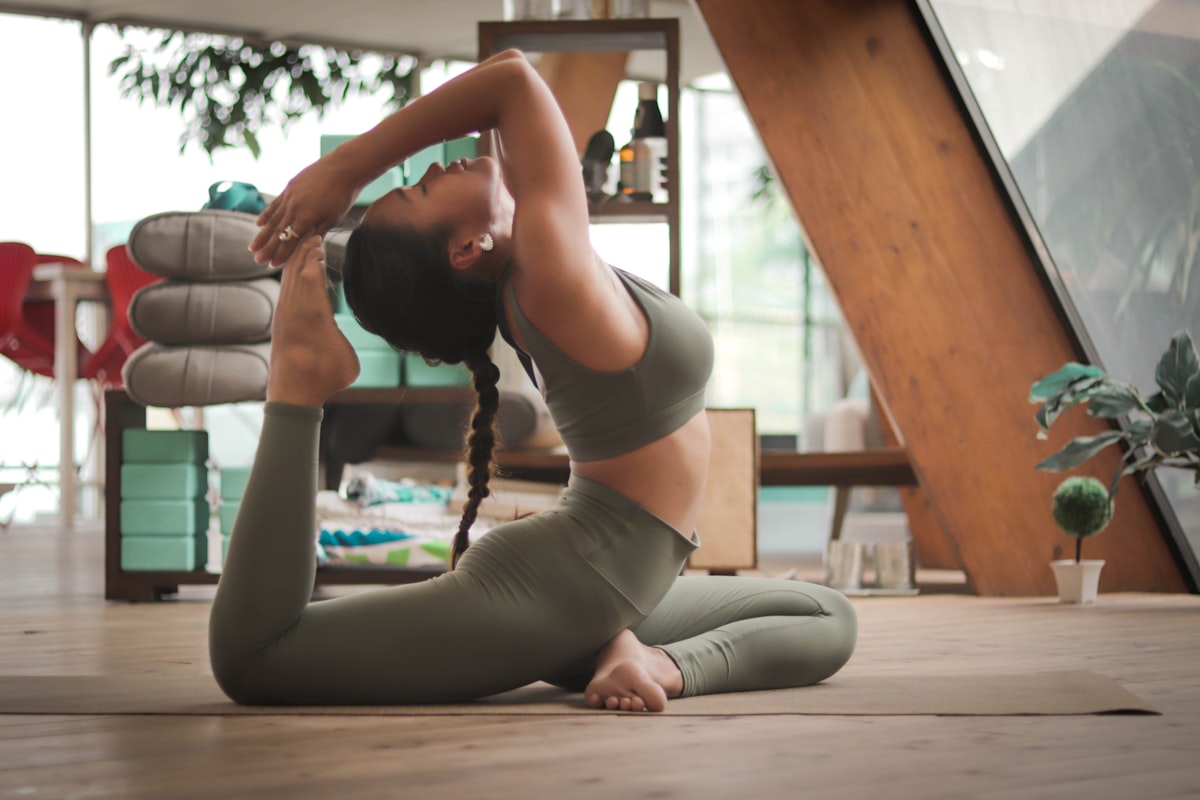
Why Flexibility Matters for Your Body
Flexibility is not just about touching your toes. It's the foundation of functional movement, injury prevention, and long-term joint health. Through consistent yoga practice, you can unlock greater range of motion while building strength and body awareness.
Essential Yoga Poses Showcase
Master these foundational poses to build a sustainable flexibility practice. Each pose targets specific muscle groups and joint systems.
Child's Pose
A gentle restorative pose that stretches the hips, thighs, and ankles. Ideal for beginners and perfect for cooling down after active practice.
Downward-Facing Dog
One of the most versatile poses, stretching the hamstrings, calves, shoulders, and chest. A cornerstone of most yoga sequences.
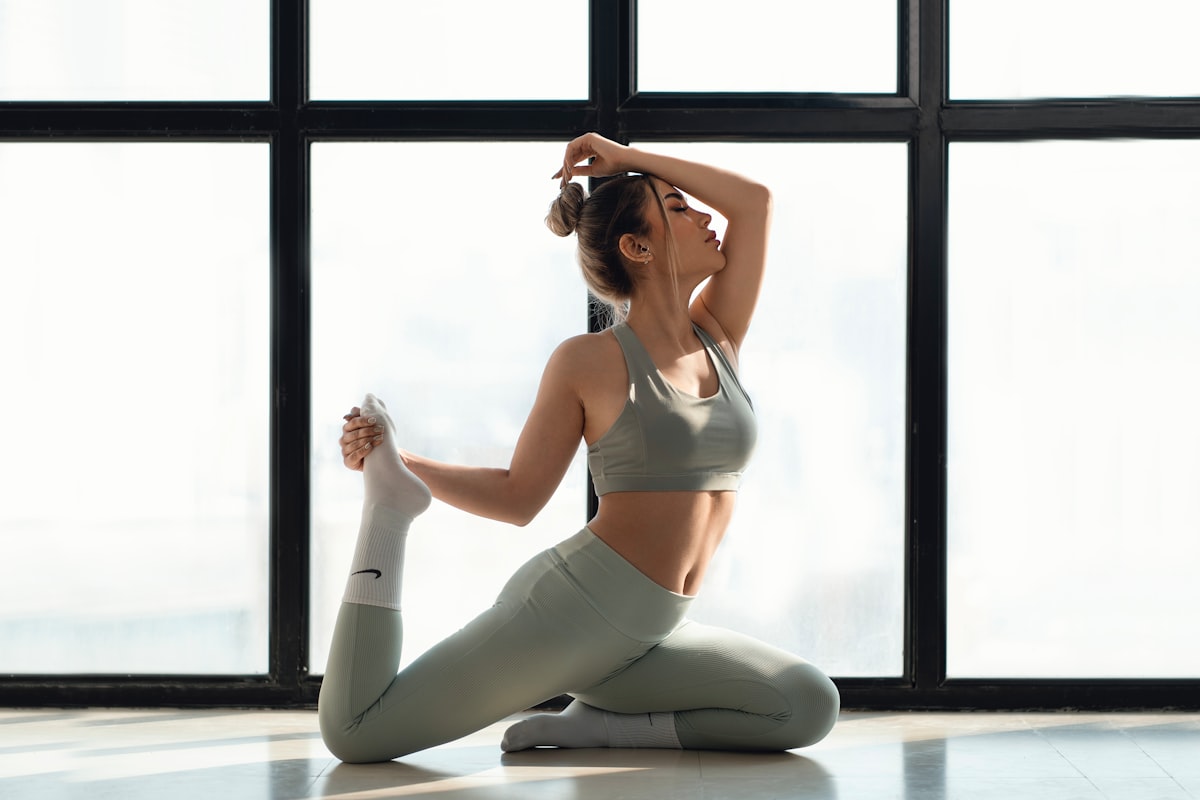
Forward Fold
A fundamental standing stretch that targets the entire posterior chain. Deeply lengthens the hamstrings and lower back.
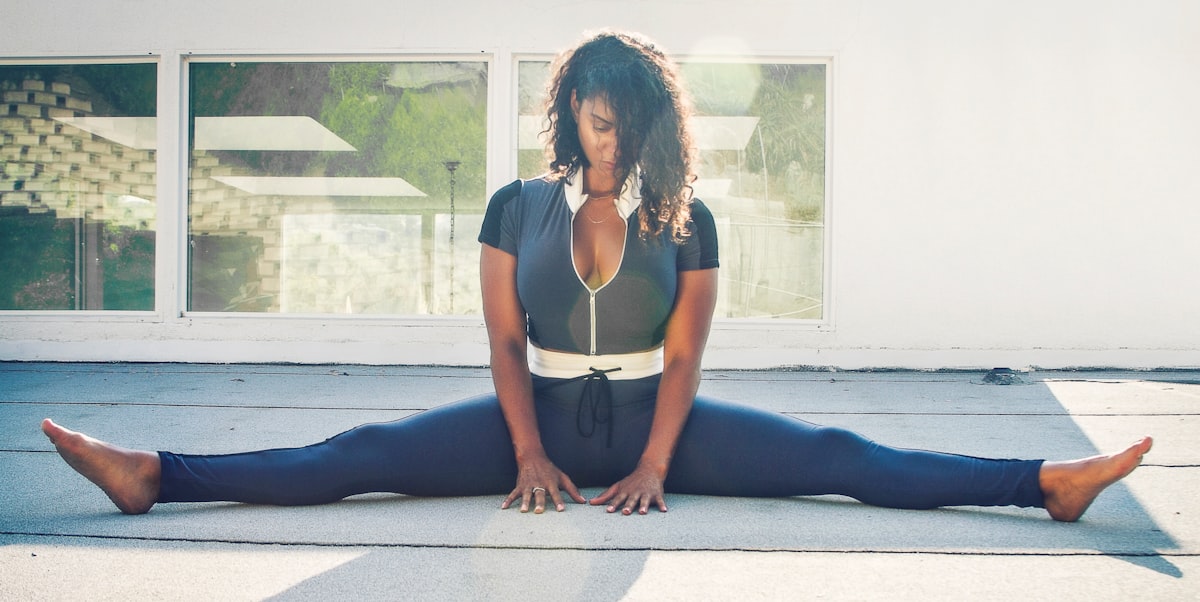
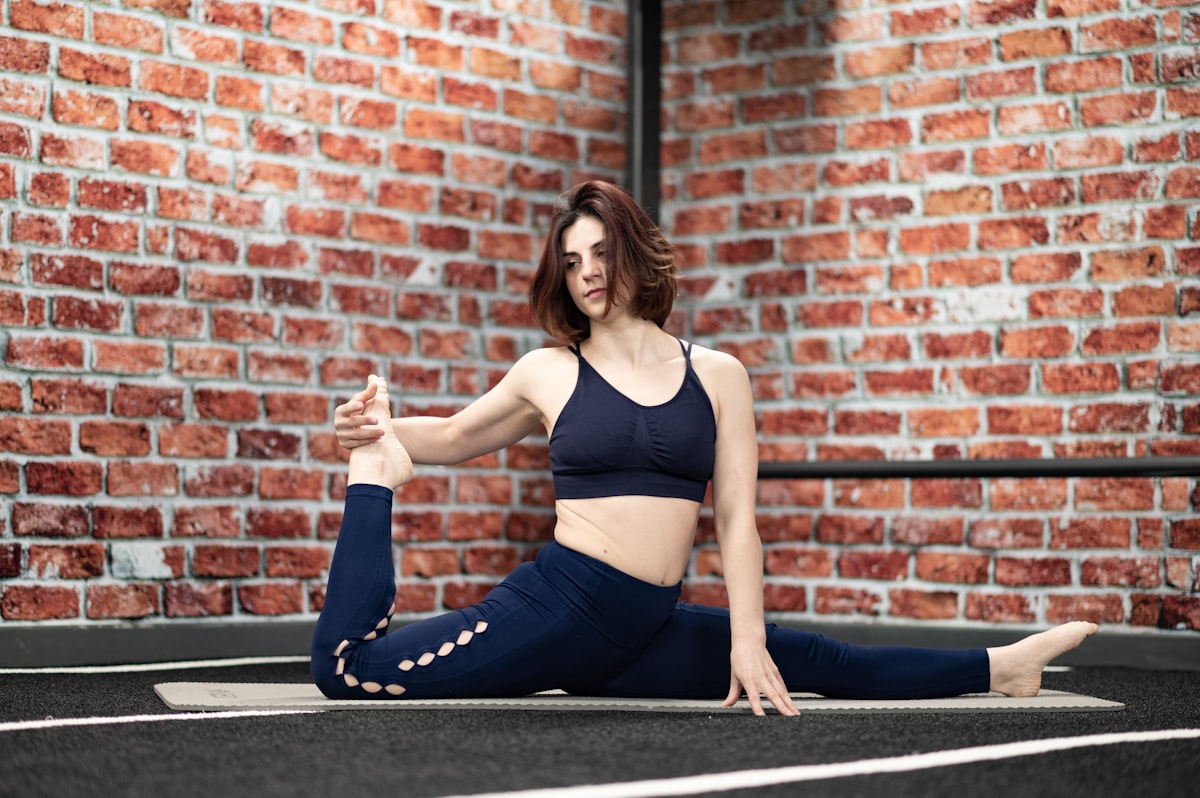
Pigeon Pose
An advanced hip opener that releases deep tension in the glutes and external rotators. Requires careful alignment and patience.
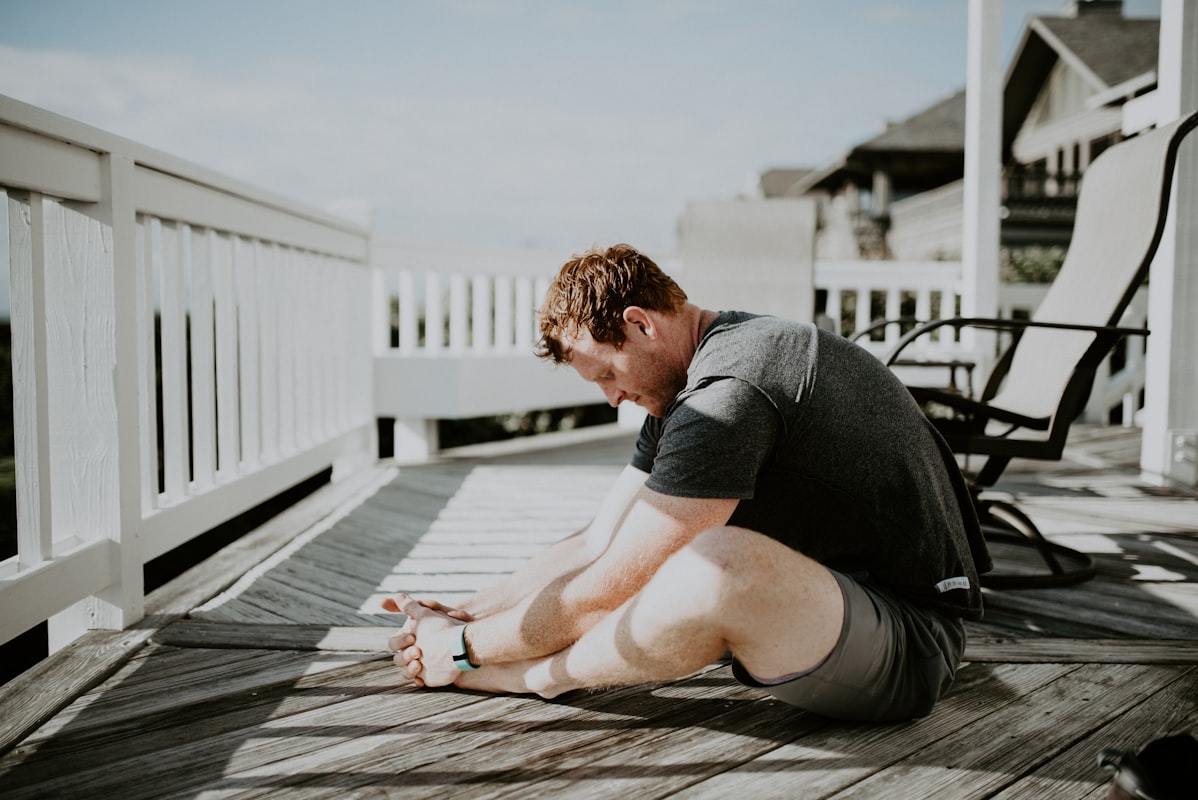
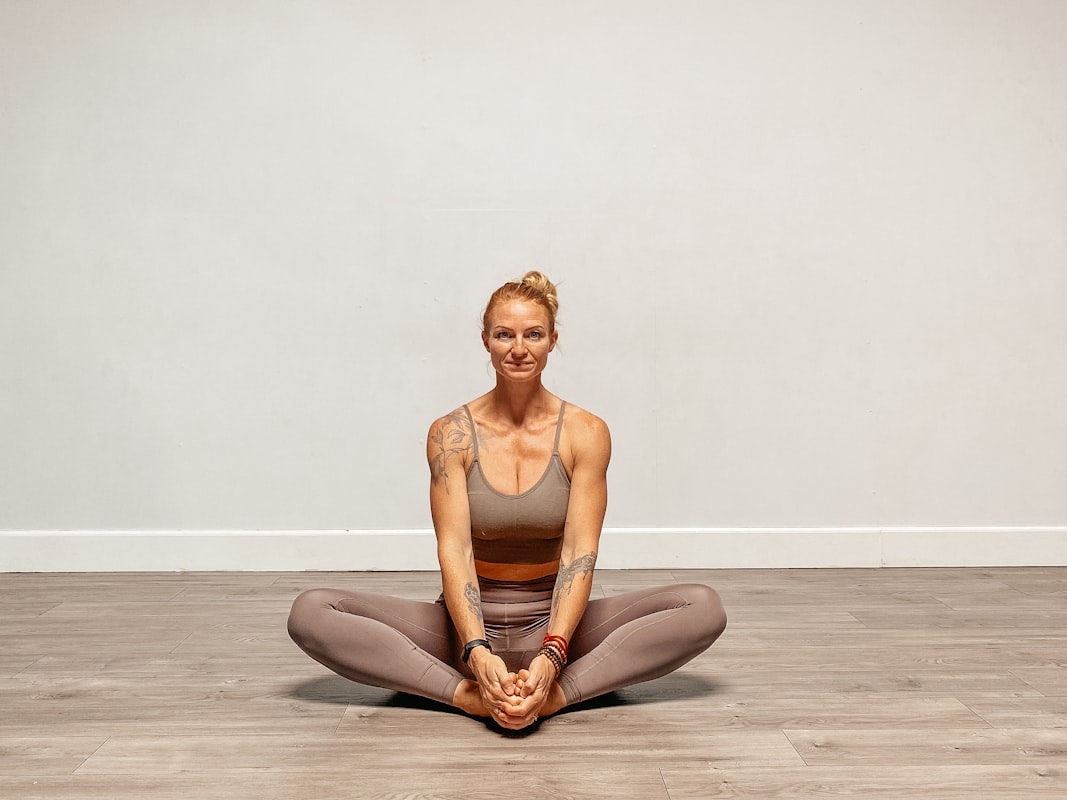
Butterfly Pose
An accessible seated pose that opens the inner thighs and hip flexors. Excellent for improving hip mobility and groin flexibility.
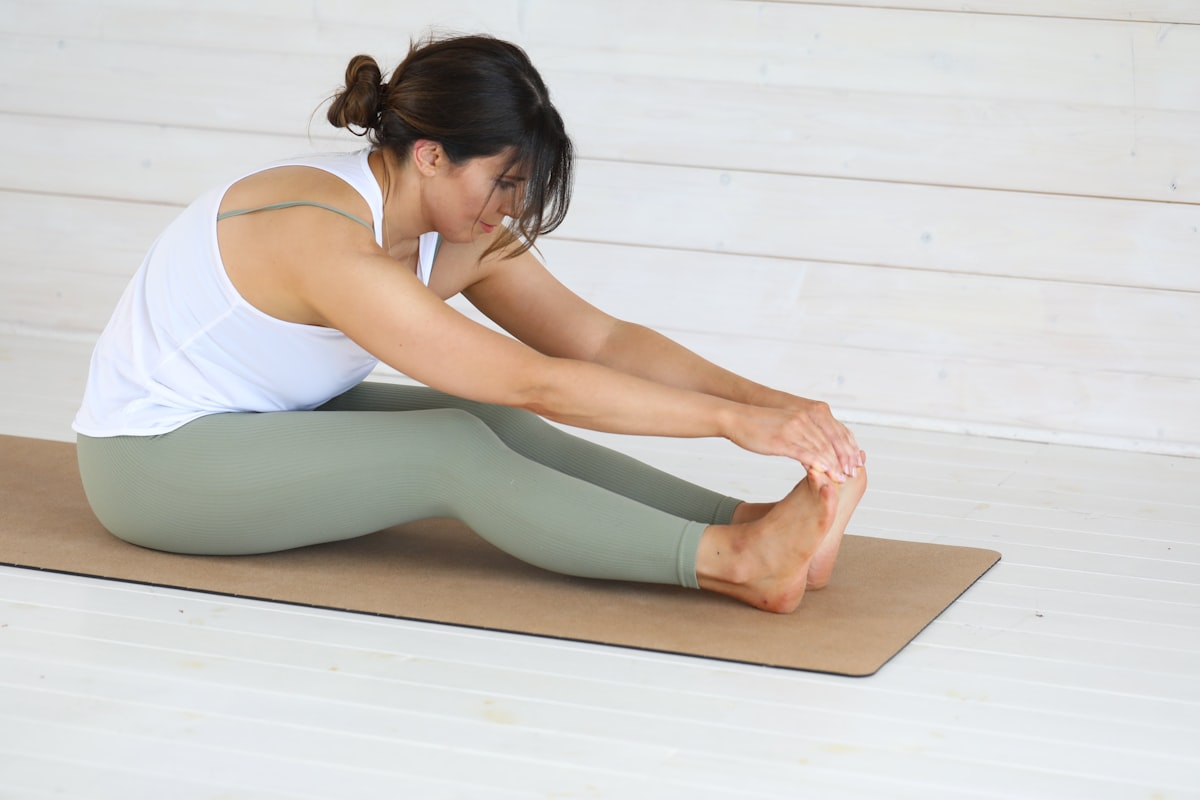
Cat-Cow Stretch
A dynamic warm-up sequence that mobilizes the entire spine. Helps improve spinal flexibility and coordination between breath and movement.
Build Your Flexibility Foundation
Flexibility development is a gradual process that rewards consistency and patience. By understanding your body's unique limitations and practicing mindfully, you can expand your range of motion significantly over weeks and months.
Progressive Stretching
Gradually increase the intensity of your stretches over time, allowing your body to adapt safely without risk of overstretching.
Mindful Breathing
Synchronise your breath with movement to deepen stretches and calm your nervous system, enhancing flexibility gains.
Consistent Practice
Regular, sustained practice yields the best results. Even 15-20 minutes daily outperforms sporadic longer sessions.
Body Awareness
Develop a deeper connection with your body, learning to recognise the difference between productive stretch and harmful strain.
Your 4-Week Flexibility Journey
A structured approach to building lasting flexibility through progressive practice and intelligent recovery.
Week 1: Foundations
Establish your baseline flexibility and learn proper alignment. Focus on gentle stretches and building awareness of your current range of motion. Practice 4-5 times this week for 15-20 minutes each session.
- Daily warm-up sequences
- Basic hamstring stretches
- Hip opener poses
Week 2: Building Depth
Deepen your stretches gradually and introduce longer hold times. Begin exploring deeper variations of familiar poses. Increase frequency to 5-6 sessions per week with 20-25 minute durations.
- Extended holds (1-2 minutes)
- Yin yoga practices
- Forward fold progressions
Week 3: Advancing Practice
Challenge yourself with more advanced poses and deeper stretching. Begin to notice improvements in your range of motion. Maintain 5-6 sessions with 25-30 minute sessions, mixing styles.
- Pigeon pose progressions
- Deeper hip openers
- Spinal flexibility work
Week 4: Refinement
Consolidate your gains and develop a sustainable long-term practice. Celebrate your progress and establish habits that will serve you beyond this month. Continue regular sessions with mixed intensities.
- Full-body flexibility flows
- Retest your baselines
- Plan your next phase
Guided Flexibility Programs
Choose from our carefully curated programs designed for different experience levels and flexibility goals.
Beginner's Flexibility
Perfect for those just starting their yoga journey. Gentle poses with detailed cues, focusing on building awareness and establishing healthy habits.
Intermediate Deepening
For those with basic yoga experience. Progressively challenging sequences that build on fundamental poses with deeper stretches and longer holds.
Advanced Mastery
For experienced practitioners. Complex poses, advanced variations, and sophisticated sequencing to challenge your flexibility at the highest level.
What Yogis Like You Are Saying
Real stories from people who have transformed their flexibility and body awareness through Daily Ritual Hub's content and guidance.
"I came to Daily Ritual Hub feeling completely rigid, barely able to touch my knees in a forward fold. After following their 4-week program, I can now reach my ankles with ease. The progressive approach and detailed alignment cues made all the difference. I'm not forcing anything—my body is genuinely becoming more flexible week by week."
Sarah Mitchell
Liverpool, United Kingdom
"As someone who spent years sitting at a desk, my hips were completely locked. Their content helped me understand not just what to do, but why I was doing it. The emphasis on breathing and body awareness transformed how I approach stretching. I now look forward to my daily practice."
James Richardson
Manchester, United Kingdom
"I thought I was just not naturally flexible. Daily Ritual Hub showed me that flexibility is something you build, not something you're born with. The structured programs and honest guidance about what to expect made the journey feel achievable. My body has changed remarkably in just a few months."
Emma Watson
Birmingham, United Kingdom
"As a runner, tight hamstrings were affecting my performance. After following their guidance on hamstring stretches and hip flexibility, my running has improved dramatically and I have fewer injuries. The educational approach helps me understand how flexibility supports my athletic goals."
Michael Chen
Leeds, United Kingdom
Common Flexibility Questions Answered
Get answers to the most frequently asked questions about building flexibility through yoga.
How long before I see results in my flexibility?
Most people notice measurable improvements in flexibility within 2-3 weeks of consistent practice. More significant changes typically occur over 4-8 weeks. The key is regular practice—even 15 minutes daily is more effective than occasional longer sessions. Your body's adaptations happen gradually as connective tissues lengthen and your nervous system becomes more comfortable with greater ranges of motion.
Is stretching painful and should I push through discomfort?
There's an important distinction between productive stretch sensation and pain. You should feel a gentle lengthening in your muscles—what yoga calls "a comfortable discomfort." Sharp pain or intense burning sensations are warnings to back off. Respect your body's signals. Yoga is about finding the edge of your current flexibility, not forcing yourself beyond it. This intelligent approach prevents injury and builds sustainable flexibility.
Can older adults improve flexibility?
Absolutely. Flexibility improvements are possible at any age. Whilst it may take slightly longer as we age due to natural changes in connective tissues and reduced collagen production, consistent practice yields remarkable results regardless of age. Many people in their 50s, 60s, and beyond have dramatically improved their flexibility using our programs. Age is not a barrier—consistency is what matters.
What if I'm too stiff to start yoga?
Being extremely stiff is actually when flexibility work is most valuable. Everyone starts somewhere, and our beginner programs are specifically designed for those with limited mobility. You don't need to be flexible to start yoga—you do yoga to become flexible. Start with gentle poses, honour your current limitations, and progress at your own pace. Many of our most successful students started as the "stiffest" people in their peer groups.
Should I stretch before or after exercise?
Dynamic movements and light warm-ups are best before exercise, whilst longer, sustained stretches are ideal after workouts when your muscles are warm. For dedicated flexibility sessions, doing them separately from intense exercise is often optimal. Our programs include specific guidance on timing and sequencing to maximise the benefits of your practice and support your overall fitness goals.
What equipment do I need to start?
Minimal equipment is required. A yoga mat provides comfort and stability, and blocks or rolled towels can help modify poses for your flexibility level. Many people start with just a comfortable space and use household items as props. As you progress, investing in quality props like blocks, straps, and bolsters can deepen your practice, but they're not essential for beginners to see significant flexibility improvements.