Master Your Flexibility Journey
Discover how Daily Ritual Hub's comprehensive yoga approach unlocks your body's full range of motion and builds lasting flexibility through evidence-based practice.
Essential Yoga Poses Showcase
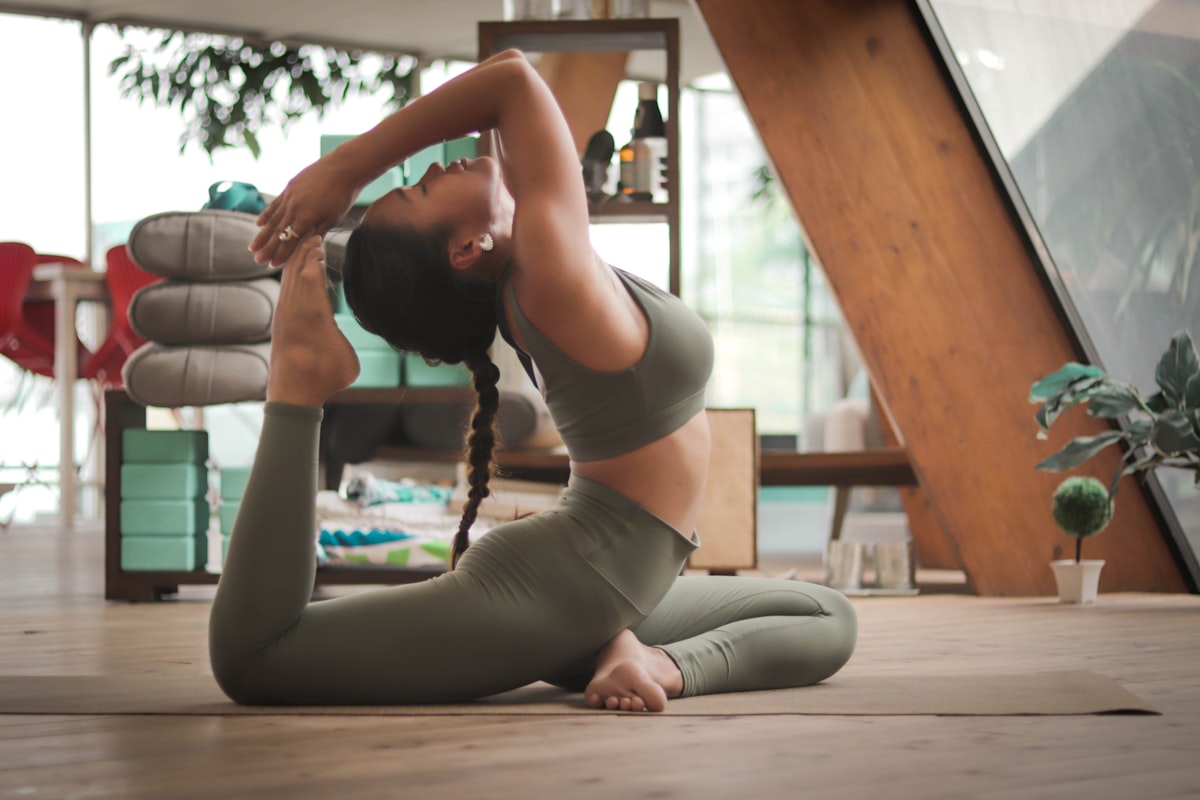
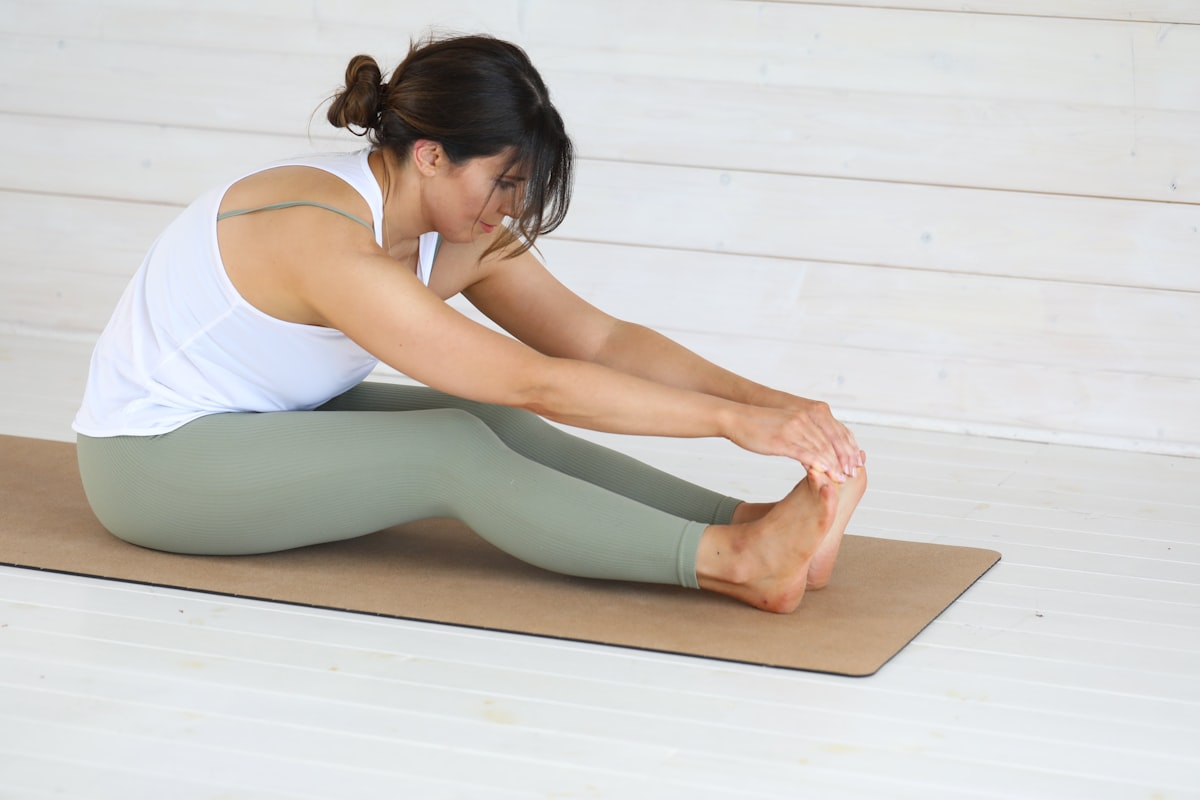
Forward Fold
A foundational pose that stretches your entire posterior chain—hamstrings, calves, and lower back. Improves spinal flexibility and promotes relaxation.
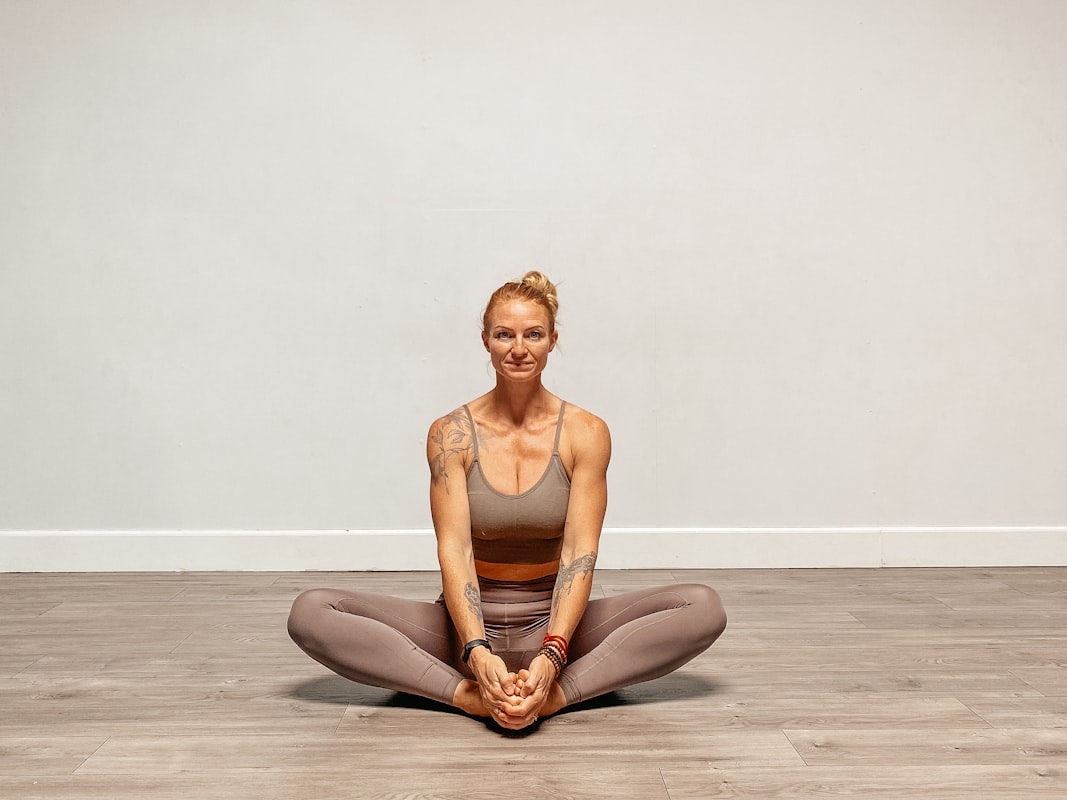
Downward Dog
One of yoga's most recognizable poses, it lengthens the spine, strengthens shoulders, and opens your hamstrings. A perfect reset between sequences.
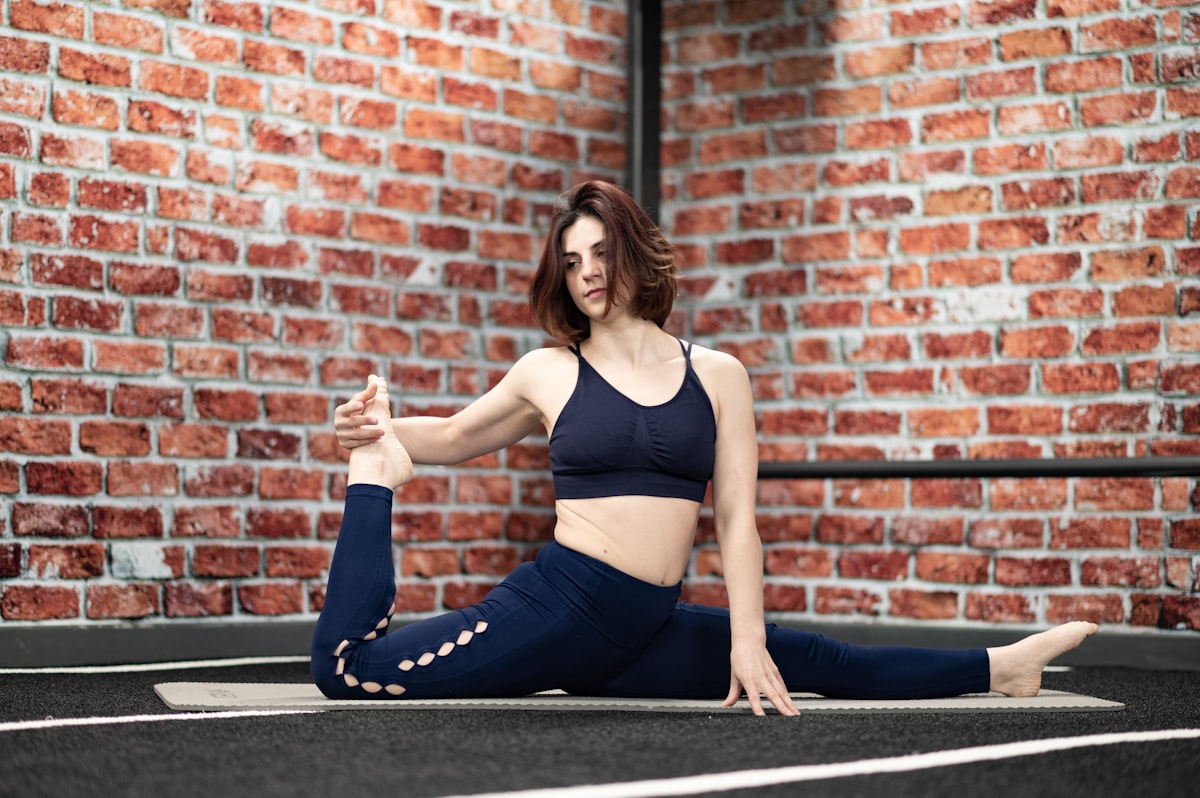
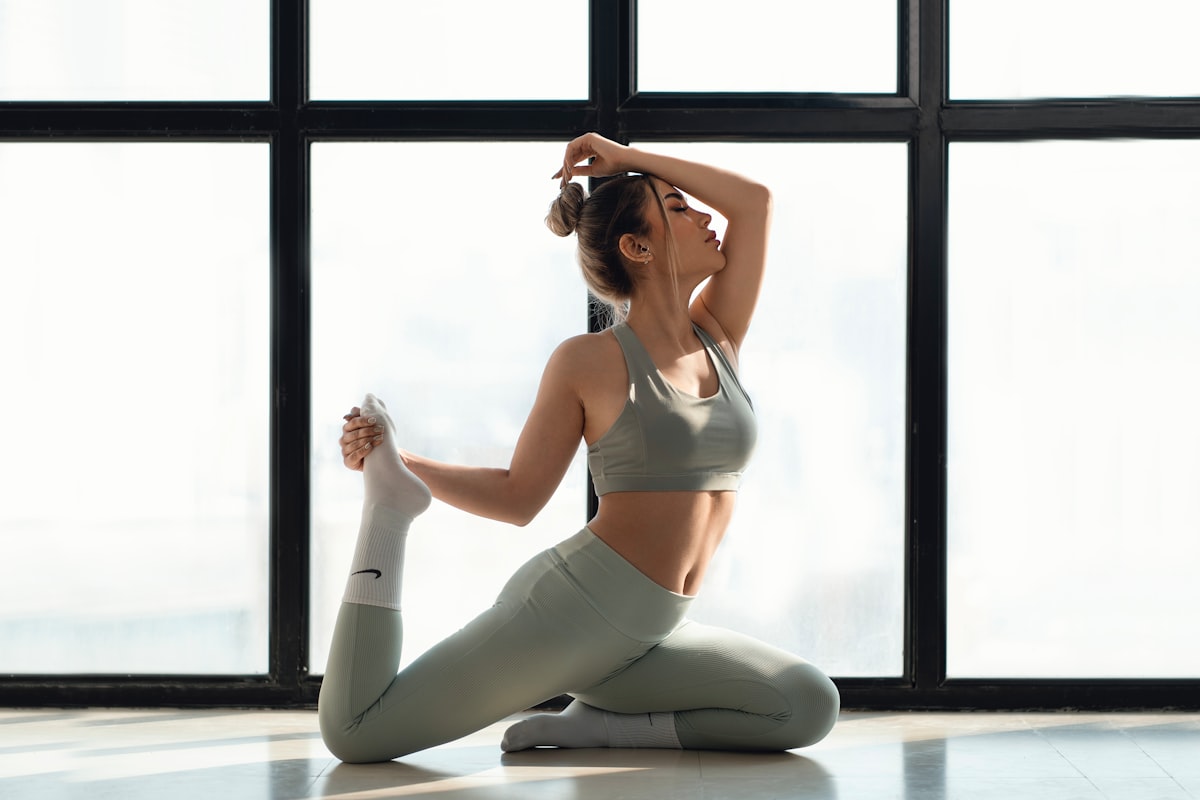
Pigeon Pose
A deep hip opener that targets the piriformis muscle and glutes. This pose is essential for anyone seeking improved hip mobility and range.
Butterfly Pose
A gentle inner-thigh and hip opener that's perfect for beginners. Improves blood circulation in the pelvic area and prepares the body for deeper stretches.
Cow Face Pose
An excellent shoulder and chest opener that also stretches your thighs. Helps reverse the effects of hunching at a desk.

Child's Pose
A restorative pose that gently stretches your back, hips, and shoulders while calming the nervous system. Perfect for recovery and mindfulness.
Why Flexibility Matters for Your Body
Flexibility is not just about touching your toes—it's a fundamental component of physical health that affects your everyday movement, injury prevention, and quality of life. When muscles and joints have a full range of motion, daily activities become easier, posture improves, and the risk of musculoskeletal strain decreases significantly.
Regular yoga practice increases synovial fluid circulation within joints, reduces muscle tension, and lengthens connective tissues. Over time, consistent stretching rewires neuromuscular patterns, allowing your body to move with greater ease and comfort. Athletes, office workers, and older adults all benefit from improved flexibility in different ways.
Beyond the physical benefits, enhanced flexibility often correlates with reduced stress levels, improved sleep quality, and a greater sense of body awareness. The mindful nature of yoga practice integrates mental and physical wellness into a holistic approach to movement.
Beginner to Advanced Pose Levels
Beginner Level
Perfect for those just starting their flexibility journey. These poses build foundational awareness and gentle stretching without overwhelming the body.
- Child's Pose – gentle hip and back stretch
- Cat-Cow – spinal mobility and warm-up
- Forward Fold – full-body posterior chain stretch
- Downward Dog – inversion and full-body lengthening
- Butterfly Pose – gentle hip opener
Hold each pose for 30–60 seconds. Focus on breath and listening to your body's limits.
Intermediate to Advanced Level
For practitioners with established flexibility and body awareness. These deeper poses challenge your limits and build advanced range of motion.
- Pigeon Pose – deep hip opener and piriformis stretch
- Cow Face Pose – shoulder and thigh flexibility
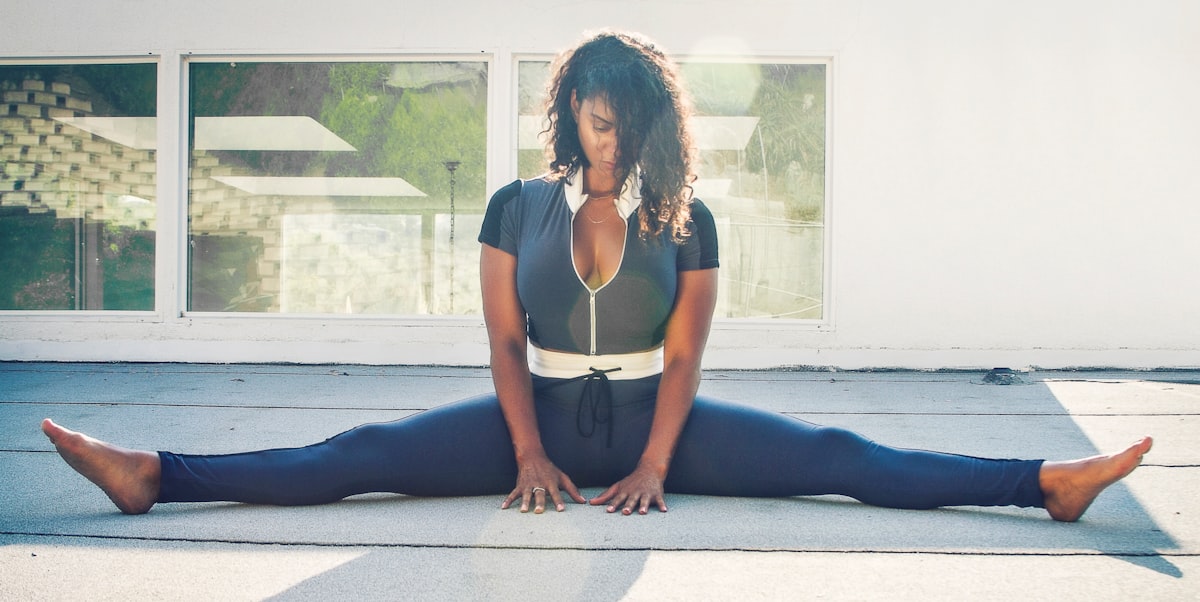
- Hanumanasana – deep split for hamstrings and hip flexors
- Scorpion Pose – full spinal extension and shoulder strength
- Forearm Stand – advanced inversion and core engagement
Hold for 60–90+ seconds. Warm up thoroughly and consider using props for safety.
Your 8-Week Flexibility Progression
Weeks 1–2: Foundation & Awareness
Establish a consistent practice routine with beginner poses. Focus on proper alignment, breathing techniques, and understanding your current flexibility baseline.
- Practice 3–4 times per week
- Hold poses for 30–45 seconds
- Include warm-up and cool-down
- Journal your observations and progress
Weeks 3–5: Building Strength & Depth
Gradually deepen your stretches and increase hold durations. Introduce intermediate variations and add strengthening poses to support flexibility gains.
- Increase frequency to 4–5 sessions weekly
- Hold poses for 60 seconds or longer
- Add gentle props like blocks or straps
- Notice increased ease in daily movement
Weeks 6–8: Refinement & Consistency
Fine-tune your practice with advanced modifications and deeper variations. Develop a sustainable routine that feels enjoyable and becomes part of your lifestyle.
- Maintain 5 sessions per week (or daily practice)
- Explore advanced pose variations
- Integrate mindfulness and meditation
- Assess and celebrate your flexibility gains
Pro Tips for Success
- • Warm up first: Always begin with 5–10 minutes of light cardio or dynamic stretches before static poses
- • Never force: Stretch to mild discomfort, never sharp pain. Your body adapts gradually
- • Consistency matters: Regular practice yields better results than occasional intense sessions
- • Use props wisely: Blocks, straps, and blankets are tools for proper alignment, not shortcuts
Common Questions About Yoga Flexibility
How long does it take to improve flexibility?
Most people notice tangible improvements in flexibility within 4–8 weeks of consistent practice (3–5 times per week). However, progress is individual and depends on factors like your starting baseline, age, genetics, and overall fitness level. Some practitioners see noticeable changes in as little as 2–3 weeks, while others require 8–12 weeks. The key is patience and regular practice rather than pushing too hard too fast.
Is it ever too late to become flexible?
It's never too late. Flexibility can be developed at any age. Connective tissues and muscles remain adaptable throughout life, though progression may be slower for older adults. A well-designed yoga practice with proper modifications ensures safety and steady improvements, regardless of whether you're 20 or 70 years old. Many practitioners find that starting later in life gives them a deeper appreciation for their body's capabilities.
Should I stretch before or after exercise?
Save static stretching (long-held poses) for after your workout or as a dedicated flexibility session. Before exercise, perform dynamic stretches like arm circles, leg swings, and moving cat-cow sequences to warm up muscles and prepare joints. Stretching cold muscles before activity increases injury risk and doesn't improve performance. Post-workout flexibility work helps with recovery and gradually builds range of motion.
Can tight muscles be caused by weakness?
Yes, often. Tight muscles sometimes compensate for weakness in opposing muscle groups. For example, tight hip flexors might reflect weak glutes. A balanced yoga practice combines flexibility work with gentle strengthening to address both sides of the equation. This integrated approach prevents injury, improves posture, and creates sustainable flexibility gains rather than temporary stretching relief.
What if I'm naturally inflexible or stiff?
Natural stiffness is common and not permanent. Genetics play a small role, but lifestyle, injury history, and activity patterns are far more influential. Starting slowly with beginner poses, using props liberally, and maintaining consistent practice will yield results. Consider working with our detailed guides or exploring poses that target your specific tight areas. Over time, your body will learn to respond to consistent stretching.
How do I know if I'm overstretching?
Overstretching causes sharp pain, numbness, tingling, or soreness lasting hours or days. Proper stretching feels like mild tension that gradually fades as muscles relax. You should be able to breathe freely and hold a pose comfortably. If you experience acute discomfort, ease out immediately. The "no pain, no gain" mentality doesn't apply to flexibility work—listen to your body and respect its boundaries for long-term, sustainable progress.
Key Features of Daily Ritual Hub's Approach
Comprehensive Pose Library
Detailed guides for every pose from beginner to advanced, including alignment cues, modifications, benefits, and common mistakes to avoid.
Progressive Learning Path
Structured 8-week progression that takes you from foundational awareness through intermediate depth to advanced variations.
Body-Centered Wellness
Beyond stretching—we integrate breathwork, mindfulness, and alignment principles for holistic flexibility development.
Practical Props & Modifications
Learn how to safely use blocks, straps, and blankets to access deeper stretches while protecting your joints and muscles.
Safety-First Guidance
Emphasis on proper alignment and injury prevention. Clear warnings about contraindications for each pose, especially for those with pre-existing conditions.
Community Support
Connect with other practitioners, share your progress, and benefit from the collective experience of our growing flexibility community.
Begin Your Flexibility Transformation
Explore our comprehensive guides, detailed pose instructions, and step-by-step progression plans. Learn at your own pace and unlock the full potential of your body's flexibility.
For questions about content or feedback on our articles, please contact our editorial team.